Product Description
Rotary CHINAMFG Screw Air Compressor with Oil-Lubricated Belt Driven Type for Laser Industry/Textile/Cement Industry
Specification:
| Parameter/Model | Displacement/Pressure | Cooling Method | Lubrication volume(L) | Noise db | Driving mode | Voltage | Power | Start up mode | Dimention | Weight | Output pipe diameter | |||
| m3/min | KW/HP | L*W*H | KG | |||||||||||
| ZL-10A | 0.9/0.7 | 0.8/0.8 | 0.69/1.0 | 0.6/1.2 | air cooling | 10 | 66±2 | direct driving | 220V/380V/415V;50Hz/60Hz | 7.5/10 | y-start-up; varialbe Frequency starting | 850*700*920 | 210 | G 1/2″ |
| ZL-20A | 2.5/0.7 | 2.3/0.8 | 2.1/1.0 | 1.9/1.2 | air cooling | 18 | 68±2 | direct driving | 220V/380V/415V;50Hz/60Hz | 15/20 | y-start-up; varialbe Frequency starting | 950*750*1250 | 300 | G 3/4 |
| ZL-30A | 3.8/0.7 | 3.6/0.8 | 3.2/1.0 | 2.7/1.2 | air cooling | 18 | 68±2 | direct driving | 220V/380V/415V;50Hz/60Hz | 22/30 | y-start-up; varialbe Frequency starting | 1380*850*1160 | 450 | G 1″ |
| ZL-50A | 6.8/0.7 | 6.2/0.8 | 5.6/1.0 | 5.0/1.2 | air cooling | 30 | 68±2 | direct driving | 220V/380V/415V;50Hz/60Hz | 37/50 | y-start-up; varialbe Frequency starting | 1550*1000*1330 | 650 | G 1-1/2 |
| ZL-10A-PM | 0.9/0.7 | 0.8/0.8 | 0.69/1.0 | 0.6/1.2 | air cooling | 10 | 66±2 | direct driving | 220V/380V/415V;50Hz/60Hz | 7.5/10 | y-start-up; varialbe Frequency starting | 850*700*820 | 210 | G 1/2″ |
| ZL-20A-PM | 2.5/0.7 | 2.3/0.8 | 2.1/1.0 | 1.9/1.2 | air cooling | 18 | 68±2 | direct driving | 220V/380V/415V;50Hz/60Hz | 15/20 | y-start-up; varialbe Frequency starting | 950*750*1250 | 300 | G 3/4″ |
| ZL-30A-PM | 3.8/0.7 | 3.6/0.8 | 3.2/1.0 | 2.7/1.2 | air cooling | 18 | 68±2 | direct driving | 220V/380V/415V;50Hz/60Hz | 22/30 | y-start-up; varialbe Frequency starting | 1380*850*1160 | 450 | G 1″ |
| ZL-50A-PM | 6.8/0.7 | 6.2/0.8 | 5.6/1.0 | 5.0/1.2 | air cooling | 30 | 68±2 | direct driving | 220V/380V/415V;50Hz/60Hz | 37/50 | y-start-up; varialbe Frequency starting | 1550*1000*1330 | 650 | G 1-1/2″ |
Intelligent Screw Air Compressor
Ariend with high air flow,low nose ,high relisbility.
The life of the spare parts is long,easy to buy ,lost cost .
Easy maintenanance,save more time.
PRODUCT FEATURES
ENERGY SAVING
Ultra-low frequency speed control technology far surpasses standard VSD compressor systems.
Capable lower than 15Hz operation,this system is truly capable of constant variable pressure operation and significant energy saving.
HIGH RELIABILITY
USoft-Start feature allows for litte or no impact on the power supply system and marginalises mechancial wear and tear up on start-up.
LLeakageis always present in any air system .at full presure a good system can loose 0.2Mpa.CHINAMFG VSD machines can reduce thar loss by up to 25%simply by supplying the air pressure that is required.
MUTE ENVIRONMENTAL PROTECTION
Advanceed Vector variable frequency control reduces vibration and noise.The unit can be used without the requirement for a special room.
This means saving of all resources required to install a machine in an external location such as pipe and power lines and land.Oil exhaust output is lower than 3ppm thus negating enviromantal impact.
ENERGY SAVING 30%&LONGER LIFE
Utilising frequency control for the cooling fan and drive motor allows for up to 30% energy savings.This translates into less frequent servicing of the CHINAMFG thus further significant saving are achieved over the life of the machine.
For More Products
Why Trust Us ?
Who We are ?
Tai zhou Mechanical &Electrical Co.Ltd. Is 1 of the main manufactures,specializing in the Research and Development,Manufacturing and sales of the Piston air compressor. Our company located in the CHINAMFG town,LuQiao District, TaiZhou City, far from TaiZhou Airport is only 3KM,and HangZhou port is around 220KM,the traffic is very convenient for your.visiting.
Our company owns an area of 50000 suqare mater and has more than 300 staffs.
We have advanced production equipment and well familiar with the process of the mass production,have high precision measuring instruments and high efficiency of automatic assembly line ensure the quality and quantity of the [roduct. We have strong technical strength and production management ,gathering the technical team and manamement team from the leading enterprise of air compressor in domestic .we set up our town lad and development tesm,with a strong ability to develop thre product ,meeting the diffient demand from the different customer and different ,maket.
We take the maket demand as the guidance ,strives for the survival by quality ,strives for the development by innovation,always put customers,quality and innovation in the first place ,follow up the prefessional management and continuously satisfy the demanded of the customer,We always follow up the principle of people-oriented,legitimate business,honest & trustworthy,focus on the industy of the air compressor,with the effort to create a first-class brand in the industry of air compressor ,with the effort to create a first-class brand in the industry of air compressor.
Our Exhibition
Frequency Asked Question:
Q1: Are you factory or trade company?
A1: We are factory.Thank you.
Q2: What the exactly address of your factory?
A2: Our company located in the CHINAMFG town,LuQiao District, TaiZhou, ZHangZhoug Province, China . Thank you.
Q3: Warranty terms of your air compressor machine?
A3: Two years warranty for the machine and technical support according to your needs.
Q4: Will you provide some spare parts of the air compressor?
A4: Yes, of course.
Q5: How long will you take to arrange production?
A5: About 25 working days after receiving the deposit on our bank account
.Q6: Can you accept OEM orders?
A6: Yes, with professional design team, OEM orders are highly welcome
Q7:What trad terms do we provide ?
A7:Trade terms FOB,CIF.
Q8:What is our payment term? What kind of settlement currency do we offer ?
A8:Normally, we can do T/T and LC at sight, for the T/T, 30% will be required as deposit, the balance amount against the copy of the BL.
We can accept the currency in USD or RMB.
Q9:What about the cost of sample?
A9: The cost of the sample will be required, but we can return back the amount in the future order by 1*40’HQ.
| After-sales Service: | Online Support |
|---|---|
| Warranty: | 12 Months |
| Lubrication Style: | Lubricated |
| Cooling System: | Air Cooling |
| Power Source: | AC Power |
| Cylinder Position: | Vertical |
| Samples: |
US$ 5000/Piece
1 Piece(Min.Order) | |
|---|
| Customization: |
Available
|
|
|---|
.webp)
How are air compressors utilized in the aerospace industry?
Air compressors play a crucial role in various applications within the aerospace industry. They are utilized for a wide range of tasks that require compressed air or gas. Here are some key uses of air compressors in the aerospace industry:
1. Aircraft Systems:
Air compressors are used in aircraft systems to provide compressed air for various functions. They supply compressed air for pneumatic systems, such as landing gear operation, braking systems, wing flap control, and flight control surfaces. Compressed air is also utilized for starting aircraft engines and for cabin pressurization and air conditioning systems.
2. Ground Support Equipment:
Air compressors are employed in ground support equipment used in the aerospace industry. They provide compressed air for tasks such as inflating aircraft tires, operating pneumatic tools for maintenance and repair, and powering air-driven systems for fueling, lubrication, and hydraulic operations.
3. Component Testing:
Air compressors are utilized in component testing within the aerospace industry. They supply compressed air for testing and calibrating various aircraft components, such as valves, actuators, pressure sensors, pneumatic switches, and control systems. Compressed air is used to simulate operating conditions and evaluate the performance and reliability of these components.
4. Airborne Systems:
In certain aircraft, air compressors are employed for specific airborne systems. For example, in military aircraft, air compressors are used for air-to-air refueling systems, where compressed air is utilized to transfer fuel between aircraft in mid-air. Compressed air is also employed in aircraft de-icing systems, where it is used to inflate inflatable de-icing boots on the wing surfaces to remove ice accumulation during flight.
5. Environmental Control Systems:
Air compressors play a critical role in the environmental control systems of aircraft. They supply compressed air for air conditioning, ventilation, and pressurization systems, ensuring a comfortable and controlled environment inside the aircraft cabin. Compressed air is used to cool and circulate air, maintain desired cabin pressure, and control humidity levels.
6. Engine Testing:
In the aerospace industry, air compressors are utilized for engine testing purposes. They provide compressed air for engine test cells, where aircraft engines are tested for performance, efficiency, and durability. Compressed air is used to simulate different operating conditions and loads on the engine, allowing engineers to assess its performance and make necessary adjustments or improvements.
7. Oxygen Systems:
In aircraft, air compressors are involved in the production of medical-grade oxygen for onboard oxygen systems. Compressed air is passed through molecular sieve beds or other oxygen concentrator systems to separate oxygen from other components of air. The generated oxygen is then supplied to the onboard oxygen systems, ensuring a sufficient and continuous supply of breathable oxygen for passengers and crew at high altitudes.
It is important to note that air compressors used in the aerospace industry must meet stringent quality and safety standards. They need to be reliable, efficient, and capable of operating under demanding conditions to ensure the safety and performance of aircraft systems.
.webp)
How are air compressors employed in the mining industry?
Air compressors play a crucial role in the mining industry, providing reliable and efficient power for various mining operations. Here are some common applications of air compressors in mining:
1. Exploration and Drilling:
Air compressors are used during exploration and drilling activities in the mining industry. Compressed air is used to power drilling rigs, pneumatic hammers, and other drilling equipment. The high-pressure air generated by the compressor helps in drilling boreholes, extracting core samples, and exploring potential mineral deposits.
2. Ventilation and Air Quality Control:
Air compressors are employed in underground mining to provide ventilation and control air quality. Compressed air is used to operate ventilation fans and air circulation systems, ensuring adequate airflow and removing harmful gases, dust, and fumes from the mining tunnels and work areas.
3. Material Conveyance:
In mining operations, air compressors are used for material conveyance. Pneumatic systems powered by air compressors are utilized to transport materials such as coal, ore, and other minerals. Compressed air is used to operate pneumatic conveyors, pumps, and material handling equipment, allowing for efficient and controlled movement of bulk materials.
4. Dust Suppression:
Air compressors are employed for dust suppression in mining areas. Compressed air is used to spray water or other suppressants to control dust generated during mining activities. This helps in maintaining a safe and healthy work environment, reducing the risks associated with dust inhalation and improving visibility.
5. Instrumentation and Control:
Air compressors are used for instrumentation and control purposes in mining operations. Compressed air is utilized to power pneumatic control systems, control valves, and actuators. These systems regulate the flow of fluids, control equipment movements, and ensure the proper functioning of various mining processes.
6. Explosive Applications:
In mining, air compressors are used for explosive applications. Compressed air is employed to power pneumatic tools used for rock fragmentation, such as rock drills and pneumatic breakers. The controlled power of compressed air enables safe and efficient rock breaking without the need for traditional explosives.
7. Maintenance and Repair:
Air compressors are essential for maintenance and repair activities in the mining industry. Compressed air is used for cleaning machinery, removing debris, and powering pneumatic tools for equipment maintenance and repair tasks. The versatility and portability of air compressors make them valuable assets in maintaining mining equipment.
It is important to note that different mining operations may have specific requirements and considerations when selecting and using air compressors. The size, capacity, and features of air compressors can vary based on the specific mining application and environmental conditions.
By utilizing air compressors effectively, the mining industry can benefit from increased productivity, improved safety, and efficient operation of various mining processes.
How is air pressure measured in air compressors?
Air pressure in air compressors is typically measured using one of two common units: pounds per square inch (PSI) or bar. Here’s a brief explanation of how air pressure is measured in air compressors:
1. Pounds per Square Inch (PSI): PSI is the most widely used unit of pressure measurement in air compressors, especially in North America. It represents the force exerted by one pound of force over an area of one square inch. Air pressure gauges on air compressors often display pressure readings in PSI, allowing users to monitor and adjust the pressure accordingly.
2. Bar: Bar is another unit of pressure commonly used in air compressors, particularly in Europe and many other parts of the world. It is a metric unit of pressure equal to 100,000 pascals (Pa). Air compressors may have pressure gauges that display readings in bar, providing an alternative measurement option for users in those regions.
To measure air pressure in an air compressor, a pressure gauge is typically installed on the compressor’s outlet or receiver tank. The gauge is designed to measure the force exerted by the compressed air and display the reading in the specified unit, such as PSI or bar.
It’s important to note that the air pressure indicated on the gauge represents the pressure at a specific point in the air compressor system, typically at the outlet or tank. The actual pressure experienced at the point of use may vary due to factors such as pressure drop in the air lines or restrictions caused by fittings and tools.
When using an air compressor, it is essential to set the pressure to the appropriate level required for the specific application. Different tools and equipment have different pressure requirements, and exceeding the recommended pressure can lead to damage or unsafe operation. Most air compressors allow users to adjust the pressure output using a pressure regulator or similar control mechanism.
Regular monitoring of the air pressure in an air compressor is crucial to ensure optimal performance, efficiency, and safe operation. By understanding the units of measurement and using pressure gauges appropriately, users can maintain the desired air pressure levels in their air compressor systems.


editor by CX 2023-10-30
China Best Sales Best Quality Belt Driven Single Phase Air Compressor for Big Tank Capacity 50L 0.75kw/1HP 8bar air compressor price
Product Description
| Item: | AC-Z1051-50L |
| Motor: | Copper/aluminium |
| Model: | AC-Z1051-50L |
| Power: | 0.75KW/1.5HP |
| Pressure: | 8BAR/115PSI |
| Capacity: | 50L |
| Warranty | 1year |
| Weight | 35KGS |
FAQ:
1. Are you a manufacturer or trading company?
We are a professional manufacturer of high pressure washer, vacuum cleaner and floor scrubber
2. What’s your advantage? We have over 15 years experience, our products have passed the certification of ISO9001,CE,GS ,ETL and multiple patent
certificates.
3. How do you confirm your quality? A:Rich experience on weakness may appear on every components and products;
B. Sample checking before order and bulk sample reserved in warehouse for after-sale service.
4. Is it acceptable to use self-label brand? Yes, we provide OEM products, also welcome ODM orders.
5. What is your payment terms? T/T and L/C. Normally T/T 30% deposit, 70% balance should be paid against the B/L copy. Better payment terms for regular esteemed customers.
6. What is your company’s production capacity every year?
We have over 500,000 pcs production capacity every year.
7. Is sample available for my reference before final order?
Yes, we can provide sample for you. Please contact with our sevice staff.
| After-sales Service: | Video Technical Support, Online Support, Spare PAR |
|---|---|
| Warranty: | 1 Year |
| Lubrication Style: | Lubricated |
| Samples: |
US$ 90/Piece
1 Piece(Min.Order) | Order Sample |
|---|
| Customization: |
Available
|
|
|---|
.shipping-cost-tm .tm-status-off{background: none;padding:0;color: #1470cc}
| Shipping Cost:
Estimated freight per unit. |
about shipping cost and estimated delivery time. |
|---|
| Payment Method: |
|
|---|---|
|
Initial Payment Full Payment |
| Currency: | US$ |
|---|
| Return&refunds: | You can apply for a refund up to 30 days after receipt of the products. |
|---|
.webp)
What are the energy-saving technologies available for air compressors?
There are several energy-saving technologies available for air compressors that help improve their efficiency and reduce energy consumption. These technologies aim to optimize the operation of air compressors and minimize energy losses. Here are some common energy-saving technologies used:
1. Variable Speed Drive (VSD) Compressors:
VSD compressors are designed to adjust the motor speed according to the compressed air demand. By varying the motor speed, these compressors can match the output to the actual air requirement, resulting in energy savings. VSD compressors are particularly effective in applications with varying air demands, as they can operate at lower speeds during periods of lower demand, reducing energy consumption.
2. Energy-Efficient Motors:
The use of energy-efficient motors in air compressors can contribute to energy savings. High-efficiency motors, such as those with premium efficiency ratings, are designed to minimize energy losses and operate more efficiently than standard motors. By using energy-efficient motors, air compressors can reduce energy consumption and achieve higher overall system efficiency.
3. Heat Recovery Systems:
Air compressors generate a significant amount of heat during operation. Heat recovery systems capture and utilize this wasted heat for other purposes, such as space heating, water heating, or preheating process air or water. By recovering and utilizing the heat, air compressors can provide additional energy savings and improve overall system efficiency.
4. Air Receiver Tanks:
Air receiver tanks are used to store compressed air and provide a buffer during periods of fluctuating demand. By using appropriately sized air receiver tanks, the compressed air system can operate more efficiently. The tanks help reduce the number of starts and stops of the air compressor, allowing it to run at full load for longer periods, which is more energy-efficient than frequent cycling.
5. System Control and Automation:
Implementing advanced control and automation systems can optimize the operation of air compressors. These systems monitor and adjust the compressed air system based on demand, ensuring that only the required amount of air is produced. By maintaining optimal system pressure, minimizing leaks, and reducing unnecessary air production, control and automation systems help achieve energy savings.
6. Leak Detection and Repair:
Air leaks in compressed air systems can lead to significant energy losses. Regular leak detection and repair programs help identify and fix air leaks promptly. By minimizing air leakage, the demand on the air compressor is reduced, resulting in energy savings. Utilizing ultrasonic leak detection devices can help locate and repair leaks more efficiently.
7. System Optimization and Maintenance:
Proper system optimization and routine maintenance are essential for energy savings in air compressors. This includes regular cleaning and replacement of air filters, optimizing air pressure settings, ensuring proper lubrication, and conducting preventive maintenance to keep the system running at peak efficiency.
By implementing these energy-saving technologies and practices, air compressor systems can achieve significant energy efficiency improvements, reduce operational costs, and minimize environmental impact.
.webp)
How are air compressors utilized in pneumatic tools?
Air compressors play a crucial role in powering and operating pneumatic tools. Here’s a detailed explanation of how air compressors are utilized in pneumatic tools:
Power Source:
Pneumatic tools rely on compressed air as their power source. The air compressor generates and stores compressed air, which is then delivered to the pneumatic tool through a hose or piping system. The compressed air provides the force necessary for the tool to perform various tasks.
Air Pressure Regulation:
Air compressors are equipped with pressure regulation systems to control the output pressure of the compressed air. Different pneumatic tools require different air pressure levels to operate optimally. The air compressor’s pressure regulator allows users to adjust the output pressure according to the specific requirements of the pneumatic tool being used.
Air Volume and Flow:
Air compressors provide a continuous supply of compressed air, ensuring a consistent air volume and flow rate for pneumatic tools. The air volume is typically measured in cubic feet per minute (CFM) and determines the tool’s performance capabilities. Higher CFM ratings indicate that the pneumatic tool can deliver more power and operate at a faster rate.
Tool Actuation:
Pneumatic tools utilize compressed air to actuate their mechanical components. For example, an air-powered impact wrench uses compressed air to drive the tool’s internal hammer mechanism, generating high torque for fastening or loosening bolts and nuts. Similarly, air-powered drills, sanders, nail guns, and spray guns rely on compressed air to power their respective operations.
Versatility:
One of the significant advantages of pneumatic tools is their versatility, and air compressors enable this flexibility. A single air compressor can power a wide range of pneumatic tools, eliminating the need for separate power sources for each tool. This makes pneumatic tools a popular choice in various industries, such as automotive, construction, manufacturing, and woodworking.
Portability:
Air compressors come in different sizes and configurations, offering varying degrees of portability. Smaller portable air compressors are commonly used in applications where mobility is essential, such as construction sites or remote locations. The portability of air compressors allows pneumatic tools to be used in various work environments without the constraints of being tethered to a fixed power source.
Overall, air compressors are integral to the functionality and operation of pneumatic tools. They provide the necessary power, air pressure regulation, and continuous airflow required for pneumatic tools to perform a wide range of tasks efficiently and effectively.
.webp)
What is the impact of tank size on air compressor performance?
The tank size of an air compressor plays a significant role in its performance and functionality. Here are the key impacts of tank size:
1. Air Storage Capacity: The primary function of the air compressor tank is to store compressed air. A larger tank size allows for greater air storage capacity. This means the compressor can build up a reserve of compressed air, which can be useful for applications that require intermittent or fluctuating air demand. Having a larger tank ensures a steady supply of compressed air during peak usage periods.
2. Run Time: The tank size affects the run time of the air compressor. A larger tank can provide longer continuous operation before the compressor motor needs to restart. This is because the compressed air in the tank can be used to meet the demand without the need for the compressor to run continuously. It reduces the frequency of motor cycling, which can improve energy efficiency and prolong the motor’s lifespan.
3. Pressure Stability: A larger tank helps maintain stable pressure during usage. When the compressor is running, it fills the tank until it reaches a specified pressure level, known as the cut-out pressure. As the air is consumed from the tank, the pressure drops to a certain level, known as the cut-in pressure, at which point the compressor restarts to refill the tank. A larger tank size results in a slower pressure drop during usage, ensuring more consistent and stable pressure for the connected tools or equipment.
4. Duty Cycle: The duty cycle refers to the amount of time an air compressor can operate within a given time period. A larger tank size can increase the duty cycle of the compressor. The compressor can run for longer periods before reaching its duty cycle limit, reducing the risk of overheating and improving overall performance.
5. Tool Compatibility: The tank size can also impact the compatibility with certain tools or equipment. Some tools, such as high-demand pneumatic tools or spray guns, require a continuous and adequate supply of compressed air. A larger tank size ensures that the compressor can meet the air demands of such tools without causing pressure drops or affecting performance.
It is important to note that while a larger tank size offers advantages in terms of air storage and performance, it also results in a larger and heavier compressor unit. Consider the intended application, available space, and portability requirements when selecting an air compressor with the appropriate tank size.
Ultimately, the optimal tank size for an air compressor depends on the specific needs of the user and the intended application. Assess the air requirements, duty cycle, and desired performance to determine the most suitable tank size for your air compressor.
editor by CX 2023-10-27
China Good quality CHINAMFG 60HP 7bar Belt Drive Air CHINAMFG air compressor CHINAMFG freight
Product Description
Product Description
Why choose Xihu (West Lake) Dis.in CS45 compressor ?
1.Cooling effect fan: Fan motor in low speed,20%cooling margin,avoid the high temperature problem.
2.Belt Driven: Optimized design for belt driven.
3.Air/Oil Separator:Larger filtration area,external design,easy for maintenance.
4.PLC Controllerm: Intelligent and smart,with the record remind function,EN/CH 2 language can be chosen.
Atlas-copco group AIR-END
* Higher level configuration
* C43 professional high efficiency air-end
Atlas Copco newly published air-end in 2571, imported from Belgium
Power and efficiency of the air-end improved 9% than old design S40
High efficiency MOTOR
* Higher level configuration
* Higher Protection Level IP54 Motor
Water-proof and dust-proof
More energy-saving(Take CS-7.5N as an example)
High Efficiency & Save Energy
* High efficiency & energy saving intake valve,keep in lower unloading pressure and avoid large energy consumption when unloading.
* New oil tank design,lower pressure drop and less energy consumption.
* Shortest piping system in order to reduce the pressure drop.
* Oversized air/oil separator to bring down the pressure drop.
* Optimized cooler design,less elbow.
| Model | Max Working Pressure | CAPACITY F.A.D | Motor Power | Transmission | Connection | N.W | Dimension (Lx W x H) |
||
| — | bar | psig | m3/min | hp | kw | — | — | kgs | mm |
| CS11N-7 | 7 | 102 | 1.65 | 15 | 11 | Belt Drive | G3/4″ | 230 | 850*650*930 |
| CS11N-8 | 8 | 116 | 1.64 | ||||||
| CS11N-10 | 10 | 145 | 1.35 | ||||||
| CS15N-7 | 7 | 102 | 2.00 | 20 | 15 | Belt Drive | G3/4″ | 230 | 850*650*930 |
| CS15N-8 | 8 | 116 | 2.00 | ||||||
| CS15N-10 | 10 | 145 | 1.80 | ||||||
| CS18.5N-7 | 7 | 102 | 3.00 | 25 | 18.5 | Belt Drive | G1″ | 330 | 710*740*1275 |
| CS18.5N-8 | 8 | 116 | 2.90 | ||||||
| CS18.5N-10 | 10 | 145 | 2.50 | ||||||
| CS22N-7 | 7 | 102 | 3.30 | 30 | 22 | Belt Drive | G1″ | 345 | 710*740*1275 |
| CS22N-8 | 8 | 116 | 3.30 | ||||||
| CS22N-10 | 10 | 145 | 2.80 | ||||||
| CS30N-7 | 7 | 102 | 4.90 | 40 | 30 | Belt Drive | G1″ | 490 | 860*850*1345 |
| CS30N-8 | 8 | 116 | 4.70 | ||||||
| CS30N-10 | 10 | 145 | 3.80 | ||||||
| CS37N-7 | 7 | 102 | 5.80 | 50 | 37 | Belt Drive | G1″ | 524 | 860*850*1345 |
| CS37N-8 | 8 | 116 | 5.70 | ||||||
| CS37N-10 | 10 | 145 | 5.00 | ||||||
| CS45N-7 | 7 | 102 | 7.10 | 60 | 45 | Belt Drive | G1 1/2″ | 650 | 1320*970*1380 |
| CS45N-8 | 8 | 116 | 6.80 | ||||||
| CS45N-10 | 10 | 145 | 6.00 | ||||||
| CS55N-7 | 7 | 102 | 9.40 | 75 | 55 | Belt Drive | RP2″ | 880 | 1320*1160*1720 |
| CS55N-8 | 8 | 116 | 8.90 | ||||||
| CS55N-10 | 10 | 145 | 7.50 | ||||||
| CS75N-7 | 7 | 102 | 13.00 | 100 | 75 | Belt Drive | RP2″ | 1110 | 1575*1160*1720 |
| CS75N-8 | 8 | 116 | 11.60 | ||||||
| CS75N-10 | 10 | 145 | 10.50 | ||||||
FAQ
Q1: Are you a manufacturer or trading company?
A1: Xihu (West Lake) Dis.in is professional screw air compressor factory located in HangZhou, China, CHINAMFG is Xihu (West Lake) Dis.in overseas market sales representative.
Q2: Xihu (West Lake) Dis.in is real member of Atlas-copco group?
A2: Yes, in 2571, Sweden Atlas-copco 100% acquired Xihu (West Lake) Dis.in.
Q3: Xihu (West Lake) Dis.in air-end from Atlas-copco?
A3: Yes, Xihu (West Lake) Dis.in LS/LSV, LOH, LSH and CS series air compressors all use Atlas Copco’s air-end.
Q4: What’s your delivery time?
A4: about 10-20days after you confirm the order, other voltage pls contact with us.
Q5: How long is your air compressor warranty?
A5: One year for the whole machine since leave our factory.
Q6: What’s the payment term?
A6:We accept T/T, LC at sight, Paypal etc.
Also we accept USD, RMB, JPY, EUR, HKD, GBP, CHF, KRW.
Q7: What’s the Min. Order requirement?
A7: 1unit
Q8: What service you can support?
A8: We offer after-sales service, custom service, production view service and one-stop service.
| Lubrication Style: | Lubricated |
|---|---|
| Cooling System: | Air Cooling |
| Power Source: | AC Power |
| Structure Type: | Closed Type |
| Installation Type: | Stationary Type |
| Type: | Twin-Screw Compressor |
| Samples: |
US$ 6681/Unit
1 Unit(Min.Order) | |
|---|
| Customization: |
Available
|
|
|---|
What are the energy-saving technologies available for air compressors?
There are several energy-saving technologies available for air compressors that help improve their efficiency and reduce energy consumption. These technologies aim to optimize the operation of air compressors and minimize energy losses. Here are some common energy-saving technologies used:
1. Variable Speed Drive (VSD) Compressors:
VSD compressors are designed to adjust the motor speed according to the compressed air demand. By varying the motor speed, these compressors can match the output to the actual air requirement, resulting in energy savings. VSD compressors are particularly effective in applications with varying air demands, as they can operate at lower speeds during periods of lower demand, reducing energy consumption.
2. Energy-Efficient Motors:
The use of energy-efficient motors in air compressors can contribute to energy savings. High-efficiency motors, such as those with premium efficiency ratings, are designed to minimize energy losses and operate more efficiently than standard motors. By using energy-efficient motors, air compressors can reduce energy consumption and achieve higher overall system efficiency.
3. Heat Recovery Systems:
Air compressors generate a significant amount of heat during operation. Heat recovery systems capture and utilize this wasted heat for other purposes, such as space heating, water heating, or preheating process air or water. By recovering and utilizing the heat, air compressors can provide additional energy savings and improve overall system efficiency.
4. Air Receiver Tanks:
Air receiver tanks are used to store compressed air and provide a buffer during periods of fluctuating demand. By using appropriately sized air receiver tanks, the compressed air system can operate more efficiently. The tanks help reduce the number of starts and stops of the air compressor, allowing it to run at full load for longer periods, which is more energy-efficient than frequent cycling.
5. System Control and Automation:
Implementing advanced control and automation systems can optimize the operation of air compressors. These systems monitor and adjust the compressed air system based on demand, ensuring that only the required amount of air is produced. By maintaining optimal system pressure, minimizing leaks, and reducing unnecessary air production, control and automation systems help achieve energy savings.
6. Leak Detection and Repair:
Air leaks in compressed air systems can lead to significant energy losses. Regular leak detection and repair programs help identify and fix air leaks promptly. By minimizing air leakage, the demand on the air compressor is reduced, resulting in energy savings. Utilizing ultrasonic leak detection devices can help locate and repair leaks more efficiently.
7. System Optimization and Maintenance:
Proper system optimization and routine maintenance are essential for energy savings in air compressors. This includes regular cleaning and replacement of air filters, optimizing air pressure settings, ensuring proper lubrication, and conducting preventive maintenance to keep the system running at peak efficiency.
By implementing these energy-saving technologies and practices, air compressor systems can achieve significant energy efficiency improvements, reduce operational costs, and minimize environmental impact.
.webp)
What is the energy efficiency of modern air compressors?
The energy efficiency of modern air compressors has significantly improved due to advancements in technology and design. Here’s an in-depth look at the energy efficiency features and factors that contribute to the efficiency of modern air compressors:
Variable Speed Drive (VSD) Technology:
Many modern air compressors utilize Variable Speed Drive (VSD) technology, also known as Variable Frequency Drive (VFD). This technology allows the compressor motor to adjust its speed according to the compressed air demand. By matching the motor speed to the required airflow, VSD compressors can avoid excessive energy consumption during periods of low demand, resulting in significant energy savings compared to fixed-speed compressors.
Air Leakage Reduction:
Air leakage is a common issue in compressed air systems and can lead to substantial energy waste. Modern air compressors often feature improved sealing and advanced control systems to minimize air leaks. By reducing air leakage, the compressor can maintain optimal pressure levels more efficiently, resulting in energy savings.
Efficient Motor Design:
The motor of an air compressor plays a crucial role in its energy efficiency. Modern compressors incorporate high-efficiency electric motors that meet or exceed established energy efficiency standards. These motors are designed to minimize energy losses and operate more efficiently, reducing overall power consumption.
Optimized Control Systems:
Advanced control systems are integrated into modern air compressors to optimize their performance and energy consumption. These control systems monitor various parameters, such as air pressure, temperature, and airflow, and adjust compressor operation accordingly. By precisely controlling the compressor’s output to match the demand, these systems ensure efficient and energy-saving operation.
Air Storage and Distribution:
Efficient air storage and distribution systems are essential for minimizing energy losses in compressed air systems. Modern air compressors often include properly sized and insulated air storage tanks and well-designed piping systems that reduce pressure drops and minimize heat transfer. These measures help to maintain a consistent and efficient supply of compressed air throughout the system, reducing energy waste.
Energy Management and Monitoring:
Some modern air compressors feature energy management and monitoring systems that provide real-time data on energy consumption and performance. These systems allow operators to identify energy inefficiencies, optimize compressor settings, and implement energy-saving practices.
It’s important to note that the energy efficiency of an air compressor also depends on factors such as the specific model, size, and application. Manufacturers often provide energy efficiency ratings or specifications for their compressors, which can help in comparing different models and selecting the most efficient option for a particular application.
Overall, modern air compressors incorporate various energy-saving technologies and design elements to enhance their efficiency. Investing in an energy-efficient air compressor not only reduces operational costs but also contributes to sustainability efforts by minimizing energy consumption and reducing carbon emissions.
.webp)
What is the role of air compressor tanks?
Air compressor tanks, also known as receiver tanks or air receivers, play a crucial role in the operation of air compressor systems. They serve several important functions:
1. Storage and Pressure Regulation: The primary role of an air compressor tank is to store compressed air. As the compressor pumps air into the tank, it accumulates and pressurizes the air. The tank acts as a reservoir, allowing the compressor to operate intermittently while providing a steady supply of compressed air during periods of high demand. It helps regulate and stabilize the pressure in the system, reducing pressure fluctuations and ensuring a consistent supply of air.
2. Condensation and Moisture Separation: Compressed air contains moisture, which can condense as the air cools down inside the tank. Air compressor tanks are equipped with moisture separators or drain valves to collect and remove this condensed moisture. The tank provides a space for the moisture to settle, allowing it to be drained out periodically. This helps prevent moisture-related issues such as corrosion, contamination, and damage to downstream equipment.
3. Heat Dissipation: During compression, air temperature increases. The air compressor tank provides a larger surface area for the compressed air to cool down and dissipate heat. This helps prevent overheating of the compressor and ensures efficient operation.
4. Pressure Surge Mitigation: Air compressor tanks act as buffers to absorb pressure surges or pulsations that may occur during compressor operation. These surges can be caused by variations in demand, sudden changes in airflow, or the cyclic nature of reciprocating compressors. The tank absorbs these pressure fluctuations, reducing stress on the compressor and other components, and providing a more stable and consistent supply of compressed air.
5. Energy Efficiency: Air compressor tanks contribute to energy efficiency by reducing the need for the compressor to run continuously. The compressor can fill the tank during periods of low demand and then shut off when the desired pressure is reached. This allows the compressor to operate in shorter cycles, reducing energy consumption and minimizing wear and tear on the compressor motor.
6. Emergency Air Supply: In the event of a power outage or compressor failure, the stored compressed air in the tank can serve as an emergency air supply. This can provide temporary air for critical operations, allowing time for maintenance or repairs to be carried out without disrupting the overall workflow.
Overall, air compressor tanks provide storage, pressure regulation, moisture separation, heat dissipation, pressure surge mitigation, energy efficiency, and emergency backup capabilities. They are vital components that enhance the performance, reliability, and longevity of air compressor systems in various industrial, commercial, and personal applications.
editor by CX 2023-10-25
China Best Sales Outdoor Patio Garden Furniture Modular Modern Leisure Aluminum Alloy Braided Belt Teak Sofa Set with Good quality
Product Description
| Material | Wood,Aluminum, Rattan,Rope,fabric, |
| Advantages | 1. Professional services.(12 years of factory experience) |
| 2. pretty competitive price. (Ex-factory price) | |
| 3.OEM is available.(OEM and ODM one-stop service) | |
| Useage | garden, hotel and so on Advantages |
| Package | Standard export carton and wood frame, with EPE foam inside to protect edges. |
| Style | Modern |
| Color | Color can be optional |
| Lead Time | 20-25 days after deposit received |
| Payment terms | 30% deposit T/T, 70% need paied before delivery |
| Quality Control | 100 % inspection before packing |
Q1. Any discount?
A1. At first, the price we quote are all wholesale price. Meanwhile, our best price will be offered according to the order quantity. So please tell us your purchase quantity when you inquire.I believe we can meet your need perfectly with competitive price and high quality.
Q2. Can I have a sample order?
A2. Yes, samples are available if necessary. Yet for consideration of saving postage, we also provide detailed pictures and other documents you require to smooth your concern as an alternative solution.
Q3. How long is the delivery time?
A3. Normally it will only take about 8-30 days according to type of product and quantity of your order.
Q4. How to deal with the faulty?
A4. Firstly, our products are produced in strict quality control system and the defective rate is very low.
Secondly, during the guarantee period, we will send replacement for free.
Q5. What can I do if the item is damaged during transportation?
A5. Our customer service staffs will help you with any questions or concerns. Under any circumstance, We will take well packed products pictures before shipping. So if any damage on products, please take pictures for us.
Q6.Are you manufacturer or trade company?
A6- We are the Manufacture/Factory.
Q7. Why choose our company ?
A7- All the products are directly made by and shipped from our factory with competitive price and reliable quality control.
– We have skillful technician production team and inspection team, to ensure delivery qualified product on time.
– To our regular customers, they may have a VIP price.
– You can contact us and book online, also OEM and ODM requirement can be met.
– We welcome to all clients visit our factory.
– Professional team to provide good after-sale service.
| Frame Material: | Wood |
|---|---|
| Style: | Modern |
| Type: | Combination |
| Usage: | Bar, Cafe, Restaurant |
| Folded: | Unfolded |
| Customized: | Customized |
| Customization: |
Available
|
|
|---|
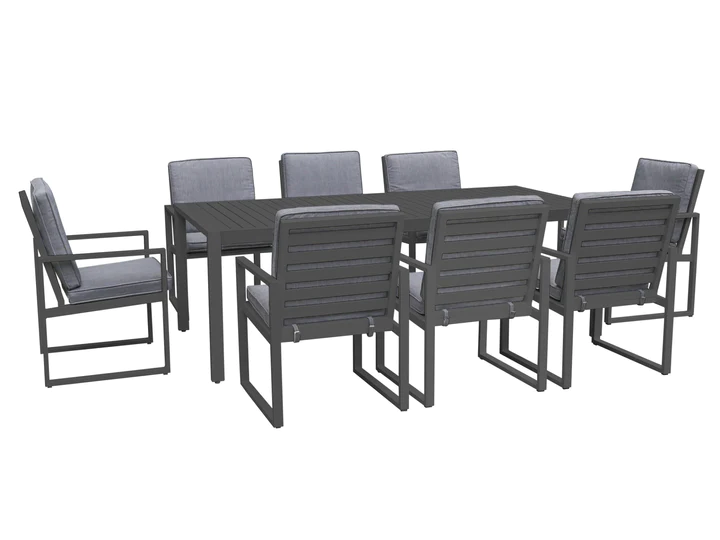
How do I keep my garden furniture from fading in the sun?
Fading of garden furniture due to sun exposure is a common concern. Here are some tips to help prevent fading and prolong the lifespan of your garden furniture:
1. Choose Sun-Resistant Materials:
When selecting garden furniture, opt for materials that are specifically designed to be resistant to fading caused by UV rays. Look for furniture made from materials like aluminum, teak, wrought iron, or UV-resistant synthetic materials that are less prone to fading.
2. Apply Protective Finishes:
Consider applying a protective finish to your garden furniture. Finishes like sealants, varnishes, or outdoor-grade paint can provide an additional layer of protection against UV rays. Make sure to choose finishes that are suitable for outdoor use and follow the manufacturer’s instructions for application.
3. Use Furniture Covers:
When your garden furniture is not in use, cover it with UV-resistant furniture covers. These covers shield the furniture from direct sunlight and help prevent fading. Ensure that the covers fit properly and are secured to withstand wind or other weather conditions.
4. Provide Shade:
Position your garden furniture in shaded areas, such as under a pergola, umbrella, or tree. Providing shade can significantly reduce the amount of direct sunlight your furniture receives, decreasing the risk of fading. Alternatively, you can create shade by using outdoor curtains, sunshades, or canopies.
5. Rotate and Rearrange:
To ensure even exposure to sunlight, periodically rotate and rearrange your garden furniture. This helps distribute the effects of fading more evenly across the furniture pieces. By changing the layout, you can also minimize the impact of prolonged sun exposure on specific areas.
6. Use Reflective Heat-Resistant Materials:
Avoid using dark-colored cushions or fabrics for your garden furniture, as they tend to absorb more heat and sunlight, increasing the risk of fading. Instead, opt for lighter-colored cushions and fabrics that reflect sunlight and heat. Additionally, consider using heat-resistant materials that are less prone to fading.
7. Regular Cleaning and Maintenance:
Regularly clean and maintain your garden furniture to remove dirt, debris, and pollutants that can contribute to fading. Follow the manufacturer’s instructions for cleaning and use appropriate cleaning products. Regular maintenance helps preserve the appearance and condition of the furniture.
8. Store Furniture During Intense Sunlight:
If possible, consider storing your garden furniture in a covered area or indoors during periods of intense sunlight, such as during the hottest hours of the day or during the peak of summer. Storing the furniture away from direct sunlight can help minimize fading.
By implementing these measures, you can help protect your garden furniture from fading caused by sun exposure. Remember, prevention is key, and proactive care will help maintain the appearance and longevity of your outdoor furniture.

What are the ideal materials for garden furniture cushions that won’t absorb moisture?
When selecting cushions for garden furniture, it’s important to choose materials that won’t absorb moisture to ensure durability and easy maintenance. Here are some ideal materials for garden furniture cushions that are resistant to moisture:
1. Solution-Dyed Acrylic:
Solution-dyed acrylic is a popular choice for outdoor cushions as it is highly resistant to moisture absorption. The fibers are dyed before they are spun into yarn, resulting in color that permeates the entire fiber. This material is known for its fade resistance, water repellency, and resistance to mold and mildew. Solution-dyed acrylic cushions are also generally easy to clean and maintain.
2. Polyester:
Polyester is another suitable material for garden furniture cushions that won’t absorb moisture. It is naturally resistant to water and dries quickly. Polyester cushions are also generally resistant to fading, staining, and mildew. Look for cushions made from high-quality, outdoor-grade polyester fabric for optimal performance.
3. Olefin:
Olefin is a synthetic fiber that is resistant to moisture, mold, and mildew. It has excellent water repellency and dries quickly, making it a suitable choice for outdoor cushions. Olefin is also known for its durability and colorfastness, retaining its vibrant colors even with prolonged exposure to sunlight.
4. PVC-Coated Polyester:
PVC-coated polyester cushions are designed to be highly water-resistant. The polyester fabric is coated with a layer of polyvinyl chloride (PVC) that creates a waterproof barrier. This coating prevents moisture absorption and makes the cushions easy to clean. PVC-coated polyester cushions are often used in marine and outdoor settings due to their excellent water resistance.
5. Quick-Dry Foam:
In addition to the cushion fabric, consider the type of foam used inside the cushions. Quick-dry foam is a high-performance foam that is designed to allow water to quickly drain and evaporate. This foam helps prevent moisture retention inside the cushions, reducing the risk of mold and mildew growth. Quick-dry foam is an excellent choice for outdoor cushions that need to withstand wet conditions.
6. Mesh or Ventilated Fabrics:
Another option for moisture-resistant cushions is to choose fabrics with mesh or ventilated designs. These fabrics allow air to circulate more freely, facilitating faster drying and reducing the chances of moisture buildup. Mesh or ventilated cushions can be particularly beneficial in humid climates or areas prone to heavy rainfall.
When selecting cushions for your garden furniture, look for materials that offer both comfort and moisture resistance. Consider the specific climate and weather conditions in your area to ensure the cushions are suitable for outdoor use. Regular cleaning and proper maintenance will also help extend the lifespan of your cushions and keep them in good condition.

Are there any eco-friendly or sustainable options for garden furniture?
Yes, there are several eco-friendly and sustainable options available for garden furniture. These options prioritize environmentally conscious materials, manufacturing processes, and durability. Here are some examples of eco-friendly and sustainable garden furniture:
1. Reclaimed Wood Furniture:
Furniture made from reclaimed wood is a sustainable choice. Reclaimed wood is salvaged from old buildings, barns, or other sources and repurposed into furniture. This helps reduce the demand for new timber and minimizes waste. Reclaimed wood furniture can have a unique, rustic appearance and is often treated for outdoor use.
2. FSC Certified Wood Furniture:
FSC (Forest Stewardship Council) certification ensures that the wood used in furniture comes from responsibly managed forests. FSC-certified wood is sourced in an environmentally and socially responsible manner, promoting sustainable forestry practices. Look for garden furniture with FSC certification to support sustainable timber production.
3. Recycled Plastic Furniture:
Furniture made from recycled plastic is an eco-friendly alternative to traditional plastic or wood furniture. This type of furniture is made from post-consumer plastic waste, such as plastic bottles or packaging. Recycled plastic furniture is durable, resistant to weather conditions, and requires minimal maintenance.
4. Metal Furniture with Recycled Content:
Some metal garden furniture options incorporate recycled content. For example, aluminum furniture made from recycled aluminum reduces the need for mining new raw materials. Look for manufacturers that use recycled metal in their furniture designs to support recycling initiatives.
5. Bamboo Furniture:
Bamboo is a fast-growing and renewable resource, making it an eco-friendly material for garden furniture. It is known for its strength, durability, and natural resistance to pests and weather conditions. Bamboo furniture is lightweight, aesthetically pleasing, and can be a sustainable choice for outdoor settings.
6. Natural Fiber Furniture:
Natural fibers such as rattan, seagrass, or wicker can be sustainable options for garden furniture. These materials are derived from plants and can be harvested without causing significant harm to the environment. Look for furniture made from sustainably sourced natural fibers and treated for outdoor use.
7. Upcycled or Vintage Furniture:
Consider upcycling or repurposing old furniture to create unique and sustainable garden pieces. By giving new life to pre-existing furniture, you can reduce waste and create personalized and environmentally friendly designs. Additionally, vintage or secondhand garden furniture can be a sustainable choice, as it extends the lifespan of existing pieces.
When selecting eco-friendly or sustainable garden furniture, look for certifications, labels, or information provided by the manufacturer that indicates their commitment to sustainability. Consider the durability, maintenance requirements, and end-of-life disposal options to make an informed choice for your outdoor space.
editor by CX 2023-10-17