Product Description
Product Description
Outdoor garden furniture corten steel waterfall for landscaping decor
Corten water features offer a unique and eye-catching addition to any outdoor space. Made from corten steel, a material with exceptional weather-resistant properties, these water features have a beautiful and naturally weathered appearance that enhances the overall aesthetic of any garden or outdoor area.
Corten steel is a type of steel that contains a specific amount of copper, chromium, and nickel, which gives it a distinctive rust-like hue when exposed to the elements. This weathered appearance isn’t just a design feature, but also serves as a protective layer that prevents the steel from deteriorating due to exposure to the elements.
Corten water features are available in a wide range of sizes and styles, from small tabletop fountains to larger standalone installations. Depending on your individual preferences and space requirements, there is sure to be a corten water feature that will complement your garden or outdoor area perfectly.
| Material | Corten Steel |
| Sheet thickness | 2mm |
| Technology | Lasre cut,bending,punching,welding |
| Application | Outdoor & decoration |
Material—This water cascade is made of corten steel, a kind of wethering steel. Corten steel has many uses in garden and landscape design. It is also called weathering steel – because it resists the weather so successfully. Garden designers and landscape architects use it to make garden planters, retaining walls and other structures.
Product—This is a waterscape inspired by the Chinese screen. The theme of this waterscape is a screen, the rust color of weathering steel has a very traditional Chinese screen flavor. On the basis of the style of screen, added the flow of water, to this screen added the vitality of nature. When you place this water feature in your courtyard, you will have the feeling that you are standing between the mountains and rivers of nature.
Company Profile
Certifications
FAQ
Q:Are you trading company or manufacturer?
A: We have our own factory.
Q:What is the MOQ?
A: Generally we don’t set MOQ. But the more quantity, the cheaper the price. What’s more, we are happy to make prototype or sample for clients to ensure quality standard.
Q:Do you make customized products based on our design drawings or ideas?
A: Yes, we are a professional corten steel manufacturing factory with an experienced engineering team to make customized products according to clients drawings and ideas.
Q:How about your payment terms?
A: Usually30% deposit, and balance LC at sight or TT. Other possible payment terms will be discussed in detail.
Q:How about the lead time?
A: Within 10-30days after receiving the deposit or LC at sight. It also depends on the quantity of the order.
| After-sales Service: | Quality Assurance |
|---|---|
| Warranty: | One Year |
| Water Supply: | Water Pump |
| Nozzle Type: | Straightaway Shot |
| Water Shape: | Customized Size |
| Material: | Metal |
| Samples: |
US$ 560/Piece
1 Piece(Min.Order) | |
|---|
| Customization: |
Available
|
|
|---|
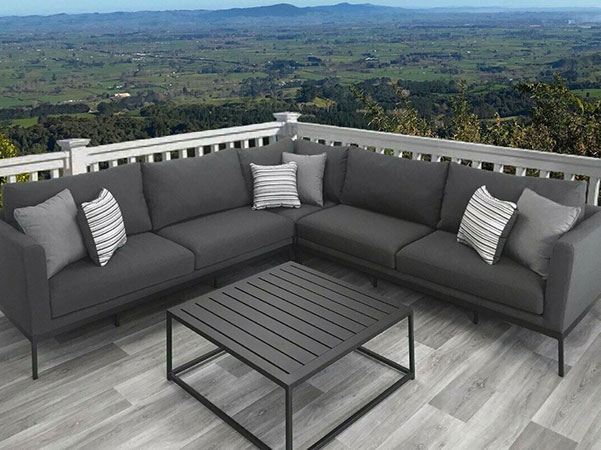
Can I leave my garden furniture outside year-round, or should I store it?
Whether you can leave your garden furniture outside year-round or need to store it depends on several factors, including the type of furniture, the materials it’s made of, and the climate in your area. Here are some considerations to help you decide:
1. Furniture Material:
Different furniture materials have varying levels of durability and resistance to weather conditions. Some materials, like aluminum or teak, are more resistant to moisture, UV rays, and temperature fluctuations, making them suitable for year-round outdoor use. Other materials, such as certain types of wood or wicker, may require more protection and maintenance and might be better stored during harsh weather.
2. Climate:
The climate in your area plays a significant role in determining whether you can leave your garden furniture outside year-round. If you live in a region with mild and temperate weather throughout the year, it may be possible to keep your furniture outdoors. However, if you experience extreme temperatures, heavy rain, snow, or high humidity, it’s generally advisable to store your furniture during the harshest seasons to protect it from potential damage.
3. Maintenance and Protection:
Proper maintenance and protection can significantly extend the lifespan of your outdoor furniture. Even if your furniture is designed for outdoor use, regular cleaning and applying protective treatments, such as sealants or weather-resistant coatings, can help maintain its appearance and durability. However, if you’re unable to provide regular maintenance or protection, storing your furniture during unfavorable weather conditions can help preserve its condition.
4. Available Storage Space:
Consider the availability of storage space when deciding whether to store your garden furniture. If you have ample storage space, storing your furniture during the off-seasons can offer maximum protection and prolong its lifespan. However, if storage space is limited or not available, you may need to explore other options, such as using furniture covers or finding creative ways to protect your furniture from the elements.
5. Personal Preference:
Ultimately, your personal preference and priorities should also be considered. If you value having your garden furniture readily available for use throughout the year and are willing to invest in the necessary maintenance and protection, you may choose to leave it outside. On the other hand, if you prefer the peace of mind and convenience of storing your furniture during unfavorable weather, that may be the best option for you.
It’s important to note that even if your furniture is designed for outdoor use and you decide to leave it outside year-round, it’s still advisable to take precautions, such as using furniture covers, securing the furniture during storms, or moving it to a sheltered area when extreme weather is expected.
Ultimately, the decision to leave your garden furniture outside year-round or store it depends on the specific circumstances and considerations mentioned above. Assess the factors relevant to your situation and choose the option that best suits your furniture, climate, and personal preferences.
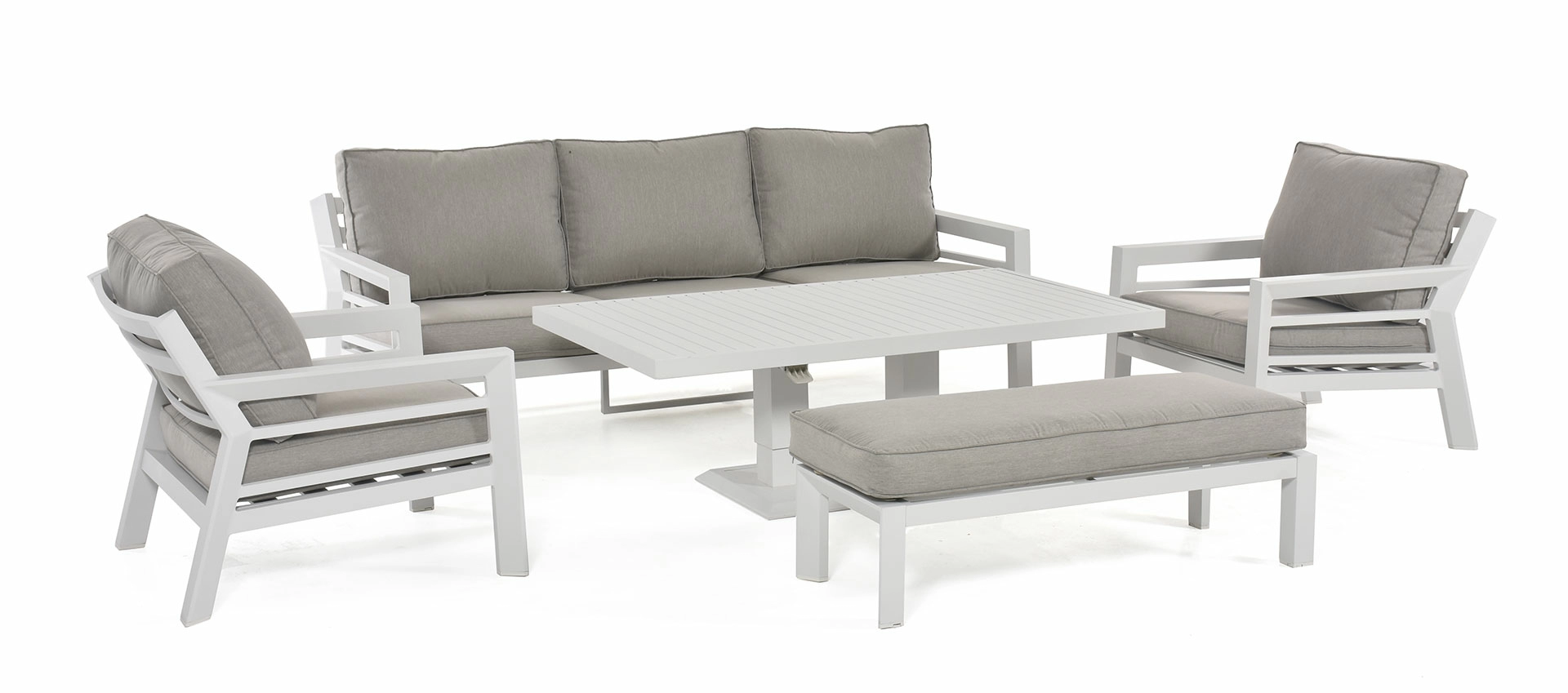
How do I prevent garden furniture from sinking into soft ground or soil?
If you have garden furniture that tends to sink into soft ground or soil, there are several methods you can use to prevent this from happening. Here are some effective ways to keep your garden furniture stable on soft ground:
1. Use Furniture Foot Pads:
One simple solution is to attach foot pads or glides to the bottom of the furniture legs. These pads distribute the weight over a larger surface area, reducing the likelihood of sinking. There are various types of foot pads available, including rubber, plastic, or metal options. Make sure to choose foot pads that are suitable for outdoor use and can withstand moisture and uneven terrain.
2. Install Furniture Leg Bases:
Another option is to install leg bases or platforms underneath the furniture legs. These bases provide a wider surface area for the legs to rest on, reducing the risk of sinking. Leg bases can be made from materials such as plastic, wood, or metal. Ensure that the bases are securely attached to the furniture legs to provide stability.
3. Use Furniture Anchors:
Furniture anchors are devices designed to secure outdoor furniture to the ground. They are particularly useful for larger or heavier furniture pieces. Anchors typically consist of stakes or screws that are driven into the ground and attached to the furniture frame or legs using straps or cables. These anchors help prevent furniture from tipping over or sinking into soft ground.
4. Place a Solid Base:
If you have a specific area in your garden where you frequently place your furniture, consider creating a solid base for it. This can be done by installing a patio or deck made from materials like concrete, stone, or wood. A solid base provides a stable and level surface for your furniture, preventing sinking or tilting. Additionally, it offers a defined seating area and enhances the overall aesthetics of your outdoor space.
5. Use Furniture Pavers or Tiles:
Another option is to place furniture pavers or tiles underneath the furniture legs. These flat and stable surfaces help distribute the weight and prevent sinking. Pavers or tiles made from materials like concrete, stone, or rubber can be placed directly on the ground or on a layer of gravel or sand for added stability.
6. Regularly Inspect and Adjust:
It’s important to regularly inspect your garden furniture and adjust its position as needed. Over time, the ground may shift or become softer due to weather conditions. By monitoring the stability of your furniture and making necessary adjustments, you can prevent sinking and ensure its longevity.
Implementing these preventive measures will help keep your garden furniture stable and secure, even on soft ground or soil. Choose the method that best suits your furniture and the specific conditions of your outdoor space.
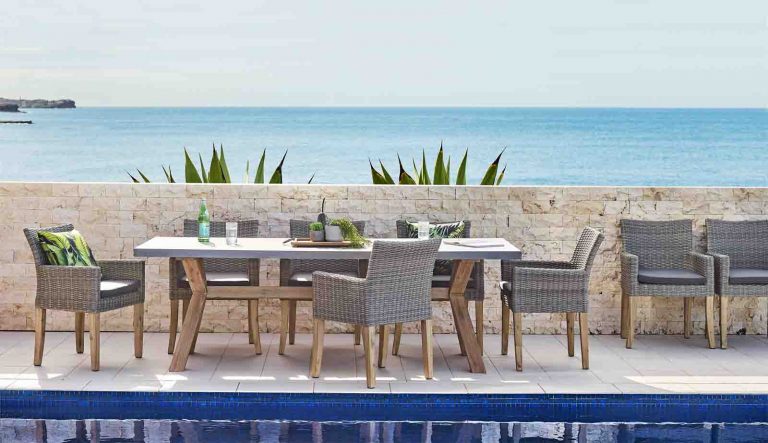
What are the latest trends in garden furniture designs and styles?
Garden furniture designs and styles evolve over time, influenced by changing tastes, technological advancements, and emerging trends. Here are some of the latest trends in garden furniture designs:
1. Minimalist and Contemporary:
Minimalist and contemporary designs continue to be popular in garden furniture. Clean lines, sleek profiles, and minimalist aesthetics create a modern and sophisticated look. Neutral colors and simple silhouettes are often seen in these designs.
2. Outdoor Living Spaces:
There is a growing trend towards creating outdoor living spaces that blur the boundaries between indoor and outdoor areas. Furniture designs that mimic indoor comfort and style, such as plush seating with cushions and outdoor rugs, are increasingly popular. This trend emphasizes creating cozy and inviting outdoor environments.
3. Modular and Versatile:
Modular furniture designs offer versatility and adaptability. These designs include sectional seating arrangements that can be rearranged to suit different occasions or to fit various outdoor spaces. The ability to customize and reconfigure the furniture provides flexibility and convenience.
4. Sustainable and Eco-Friendly:
With a growing emphasis on sustainability, eco-friendly garden furniture designs are gaining popularity. Materials like reclaimed wood, recycled plastic, and responsibly sourced teak are being used to create environmentally conscious furniture. Additionally, designs that promote water conservation and energy efficiency are also becoming more prevalent.
5. Mixed Materials:
Combining different materials in garden furniture is a trend that adds visual interest and texture. For example, incorporating wood with metal or wicker with aluminum creates a contemporary and eclectic look. Mixing materials allows for unique and personalized designs.
6. Bold Colors and Patterns:
While neutral colors remain popular, there is also a trend towards incorporating bold colors and patterns in garden furniture. Vibrant hues like deep blues, rich greens, and warm oranges are being used to make a statement. Patterns such as stripes, geometric designs, and floral prints add visual excitement to outdoor spaces.
7. Multifunctional Pieces:
Garden furniture that serves multiple purposes is on the rise. Examples include benches with built-in storage, coffee tables that convert into dining tables, or loungers with adjustable features. This trend maximizes functionality and optimizes space utilization in outdoor areas.
These are just a few of the latest trends in garden furniture designs and styles. Ultimately, it’s important to choose a style that resonates with your personal preferences and complements the overall aesthetic of your outdoor space.
editor by CX 2023-11-03