Product Description
Chair mould manufacturers
CHINAMFG Mould is the leading chair mould manufacturer in the world, we has developed more than 100 sets various chair moulds during these years, such like rattan design outdoor chair mould, beach chair mould, stool mould, bus seat mould, office chair, child chair, table mould etc.
Customized Chair Mould Service
We are very capable to provide customized chair design and molding service to customers.
Our factory has a strong moulding technical team, have 3 senior designers and 15 engineers who have more than 10 years experiences in plastic mould making. Our designers are good at designing new plastic mold products and mould structure.
In the very beginning, customers share ideas with our product designer. The team will follow it to check and redesign the chair in order to improve the structure. After that, we will make chair CAD model for customers’ checking, sometimes we also provide 3D printing sample for confirmation.
Then, we will check and redesign it in order to improve the chair structure.
Key Points of High Quality Chair Mould
- Mould Running Cycle Time: Usually the cycle time should be 35s to 55s.
- Chair Mould Life Guarantee: The key factors of good quality mold is mold steel and mold structure. We will adopt the best suitable steel material accordingly the mold design and customers’ needs. Usually uses HRC33 steel to make plastic chair moulds.
- Make the chair with less weight but strong enough: Normally, we will study the chair design and structure carefully to find the lowest workable wall thickness. In the meantime, we will analyze the force of each area and add ribes on the bottom area and other bearing parts in order to make the chair stronger.
Product Parameters
Detailed Photos
Plastic chair mould, prefect for garden, outdoor, lounge etc.
1. The plastic chair size is 550*480*810mm
2. Plastic chair weight is 3 kg.
3. Mould size is 1800*1000*1100mm.
Other Chair&Table&Stool Moulds
Click To View More Products
Our Mould Production Process
Certifications
Packaging & Shipping
Company Profile
FAQ
1Q: Are you trading company or manufacturer ?
A: We are factory and located in HangZhou City, ZHangZhoug Provice, China.
2Q: What kind of service do you offer?
A: We can make all kinds of plastic injection moulds. Customized mould project are also welcomed in RJ Mould.
Besides, we have our own injection machine and can do mass production for customers too.
3Q: What information is required for a quote?
A. Please provide us with product 2D or 3D drawing.
If you don’t have drawings on hand, samples are also available for checking cost.
4Q: Can I have my own design?
A: Yes, we are very capable to do customized design and make for you. Please share with your ideas, we will discuss your needs, purpose and objective thoroughly and work together with you for the whole project.
5Q: How long is your delivery time?
A: The lead time of T0 sample depends on the mould structure, and generally it takes 20-70 days from receipt/approval of final drawings, deposit and mold design approval.
Mass production delivery time depends on the order quantity.
6Q: What’s your payment condition?
A: For Mould: T/T, 40% Deposit with P.O., balance before shipment. Or 100% irrevocable LC at sight.
Part molding: 50% after PO confirmed, 50% after production finished.
7Q: What Hot Runner Brand will you use?
A: As per customers’ demands, we can offer YUDO or Chinese local brand hot runner system.
8Q: What’s your injection mould life?
A: 0.5 to 3 million shots guarantee, depends on your needs.
9Q: What’s the shipping cost? And how long it takes for shipment?
A: Please let us know,
1. Shipment method, do you prefer by sea or air?
2. Destination port or door to door address with ZIP code.
We will check and find the best price for you.
/* March 10, 2571 17:59:20 */!function(){function s(e,r){var a,o={};try{e&&e.split(“,”).forEach(function(e,t){e&&(a=e.match(/(.*?):(.*)$/))&&1
| Warranty: | 1year |
|---|---|
| Shaping Mode: | Injection Mould |
| Surface Finish Process: | Polishing |
| Customization: |
Available
|
|
|---|
.shipping-cost-tm .tm-status-off{background: none;padding:0;color: #1470cc}
|
Shipping Cost:
Estimated freight per unit. |
about shipping cost and estimated delivery time. |
|---|
| Payment Method: |
|
|---|---|
|
Initial Payment Full Payment |
| Currency: | US$ |
|---|
| Return&refunds: | You can apply for a refund up to 30 days after receipt of the products. |
|---|
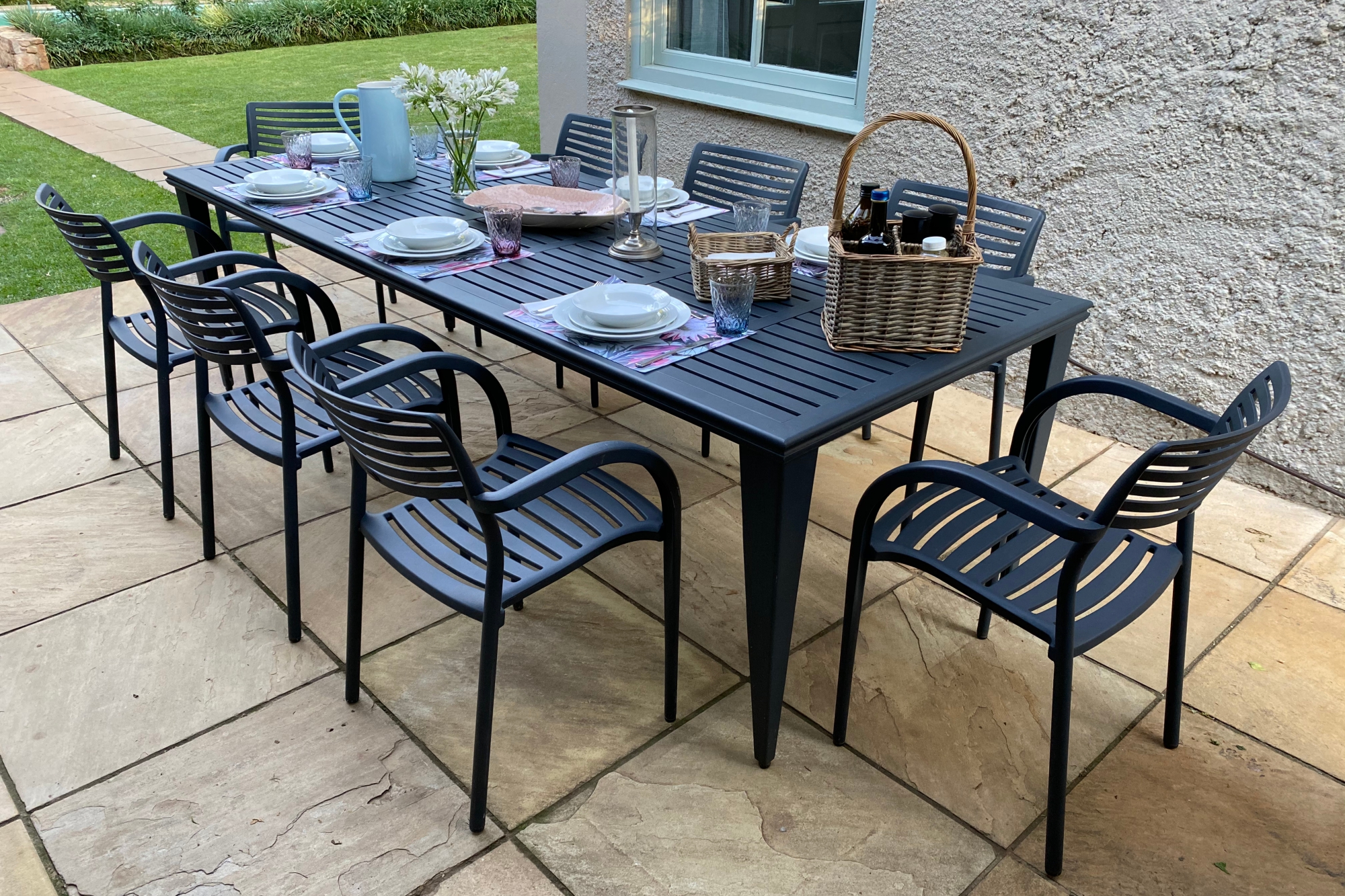
Can I repurpose indoor furniture for outdoor use with the right treatment?
Repurposing indoor furniture for outdoor use is possible with the right treatment and considerations. Here are some important points to keep in mind:
1. Furniture Material:
Consider the material of the indoor furniture before repurposing it for outdoor use. Certain materials are better suited for outdoor conditions, such as teak, aluminum, wrought iron, and certain types of synthetic materials. These materials are more resistant to moisture, UV rays, and other outdoor elements.
2. Moisture and Waterproofing:
Outdoor environments expose furniture to moisture, rain, and humidity. To repurpose indoor furniture for outdoor use, it’s essential to ensure it is adequately protected against moisture. Use waterproofing treatments, sealants, or outdoor-grade paints to create a protective barrier that prevents water absorption and helps prevent warping, rotting, or mold growth.
3. UV Protection:
Indoor furniture is not designed to withstand prolonged exposure to direct sunlight. UV rays can cause fading, discoloration, and deterioration of materials. Apply UV-resistant finishes or use protective covers to shield the repurposed furniture from excessive sunlight. Additionally, consider placing the furniture in shaded areas to minimize direct UV exposure.
4. Maintenance Requirements:
Outdoor furniture typically requires more maintenance compared to indoor furniture. Before repurposing indoor furniture, be prepared to invest time and effort into regular cleaning, inspections, and maintenance. Follow the manufacturer’s instructions for care and maintenance, including cleaning techniques, recommended cleaning products, and frequency of maintenance tasks.
5. Consider Climate and Weather:
Take into account the climate and weather conditions of your area. If you live in an area with extreme temperatures, high humidity, or frequent rain, the repurposed indoor furniture may be more susceptible to damage. Assess whether the furniture can withstand the local climate and weather patterns before repurposing it for outdoor use.
6. Safety Considerations:
Ensure that repurposed indoor furniture is safe for outdoor use. Check for stability, structural integrity, and any potential hazards. Outdoor furniture needs to withstand environmental factors such as wind, rain, and uneven surfaces. Reinforce or repair any weak or damaged areas to ensure the safety of users.
7. Longevity and Lifespan:
Repurposed indoor furniture may have a shorter lifespan when used outdoors due to the harsher conditions. Consider the expected longevity of the repurposed furniture and determine if it aligns with your needs and expectations. Keep in mind that even with proper treatment, the furniture may still wear out faster than purpose-built outdoor furniture.
8. Personal Style and Aesthetics:
Repurposing indoor furniture for outdoor use allows you to bring your personal style and aesthetics into your outdoor space. Consider the design, colors, and overall look of the furniture to ensure it complements your outdoor environment and desired aesthetic.
While it is possible to repurpose indoor furniture for outdoor use with the right treatment, it’s important to carefully evaluate the suitability of the furniture and consider the factors mentioned above. Adhering to proper treatment methods and maintenance routines can help extend the lifespan of repurposed furniture and enhance your outdoor living experience.
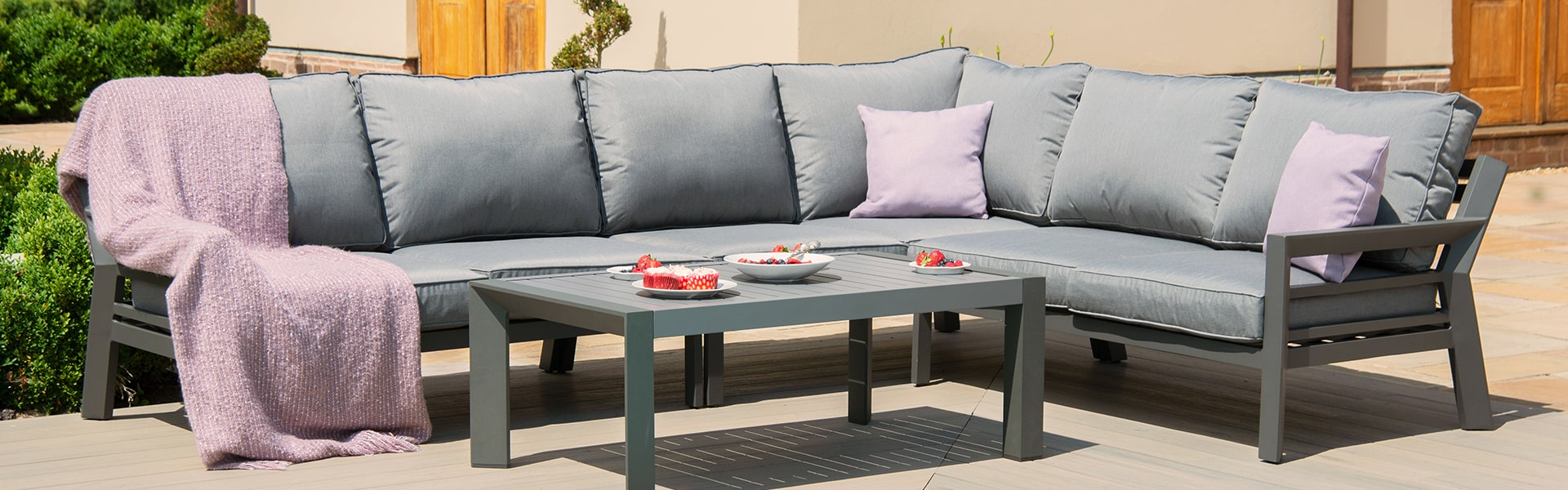
What are the best materials for garden furniture frames that are rust-resistant?
When it comes to selecting garden furniture frames that are rust-resistant, several materials are known for their durability and ability to withstand outdoor conditions. Choosing the right material for your garden furniture can help ensure its longevity and minimize maintenance. Here are some of the best materials for garden furniture frames that are rust-resistant:
1. Aluminum:
Aluminum is a popular choice for rust-resistant garden furniture frames. It is lightweight, durable, and does not rust. Aluminum frames are typically powder-coated or anodized to provide additional protection against corrosion. Powder coating involves applying a protective layer of colored powder that bonds to the metal surface, while anodizing creates a protective oxide layer. Aluminum frames are low maintenance and can withstand various weather conditions.
2. Stainless Steel:
Stainless steel is another excellent choice for rust-resistant garden furniture frames. It is highly resistant to corrosion and can withstand exposure to moisture and harsh outdoor environments. Stainless steel frames are strong and durable, making them suitable for heavy use. However, it’s important to note that low-quality stainless steel or stainless steel with a low chromium content may still be prone to rust, so it’s essential to choose high-quality stainless steel furniture.
3. Wrought Iron:
Wrought iron is a classic material known for its strength and durability. It is typically coated with a protective finish, such as powder coating or paint, to prevent rust. Proper maintenance, including periodic touch-ups and sealing any chips or scratches in the finish, can help maintain the rust resistance of wrought iron frames. Wrought iron furniture adds a timeless and elegant look to garden spaces.
4. Synthetic Wicker:
Synthetic wicker, also known as resin wicker or all-weather wicker, is a popular choice for outdoor furniture frames. It is made from synthetic materials, such as high-density polyethylene (HDPE), that are resistant to rust and other forms of corrosion. Synthetic wicker furniture is lightweight, easy to maintain, and can withstand exposure to various weather conditions. It is often paired with aluminum frames for added durability.
5. Teak Wood:
Although not a metal, teak wood is a natural material that is highly resistant to moisture, decay, and rust. Teak furniture frames are an excellent choice for outdoor use due to their inherent durability. Teak wood contains natural oils that protect it from rot and corrosion. However, teak furniture requires regular maintenance, such as cleaning and periodic application of teak oil, to maintain its appearance and prevent graying.
6. Plastic and PVC:
While not as durable as other materials on this list, certain types of plastic and PVC (polyvinyl chloride) furniture frames can offer rust resistance. Plastic and PVC frames are lightweight, affordable, and require minimal maintenance. Look for high-quality plastic or PVC furniture that is specifically designed for outdoor use and resistant to UV radiation and fading.
When choosing rust-resistant garden furniture frames, consider factors such as durability, maintenance requirements, and overall aesthetic appeal. It’s also important to note that while these materials are rust-resistant, proper care and maintenance still play a crucial role in prolonging the lifespan of your garden furniture.
What types of cushions and fabrics are ideal for garden furniture?
When choosing cushions and fabrics for your garden furniture, it’s important to consider durability, weather resistance, comfort, and ease of maintenance. Here are some types of cushions and fabrics that are ideal for garden furniture:
1. Outdoor-Specific Fabrics:
Look for fabrics specifically designed for outdoor use. These fabrics are typically made from synthetic materials that are resistant to fading, mold, mildew, and moisture. They are often treated to be UV-resistant, which helps prevent color fading due to sun exposure. Examples of outdoor-specific fabrics include solution-dyed acrylic, polyester, or vinyl-coated fabrics.
2. Sunbrella:
Sunbrella is a well-known brand of outdoor fabric that is highly durable and fade-resistant. It is made from solution-dyed acrylic fibers, which are known for their resistance to UV rays, moisture, and stains. Sunbrella fabrics come in a wide range of colors and patterns, allowing you to find options that suit your style.
3. Olefin:
Olefin is another popular synthetic fabric for outdoor use. It is resistant to water, stains, and fading. Olefin fabric is often used for cushions and upholstery due to its durability and affordability. It is available in a variety of colors and patterns.
4. Quick-Drying Foam:
When it comes to cushion fillings, quick-drying foam is an excellent choice for garden furniture. This type of foam has an open-cell structure that allows water to drain quickly, preventing the buildup of moisture. Quick-drying foam helps keep your cushions dry and prevents the growth of mold or mildew.
5. Water-Resistant Cushion Covers:
Ensure that your cushion covers are water-resistant to protect the foam filling from getting wet. Look for covers made from fabrics that repel water and are easy to clean. Water-resistant cushion covers help maintain the integrity of the cushions and make them more resistant to the outdoor elements.
6. Removable and Washable Covers:
Opt for cushions with removable and washable covers. This allows you to easily clean the fabric and remove any stains or dirt that may accumulate over time. Removable covers also give you the flexibility to change the look of your garden furniture by swapping out covers or patterns.
7. Mildew-Resistant Materials:
Choose fabrics and cushion fillings that are resistant to mildew. Mildew can thrive in damp environments, so selecting materials that inhibit its growth is important for maintaining a clean and hygienic outdoor seating area.
When selecting cushions and fabrics for your garden furniture, consider the specific climate and weather conditions in your area. Additionally, follow the manufacturer’s instructions for care and maintenance to ensure the longevity of your cushions and fabrics.
editor by CX 2024-01-09